When you take the risk seriously, two traps wait for you
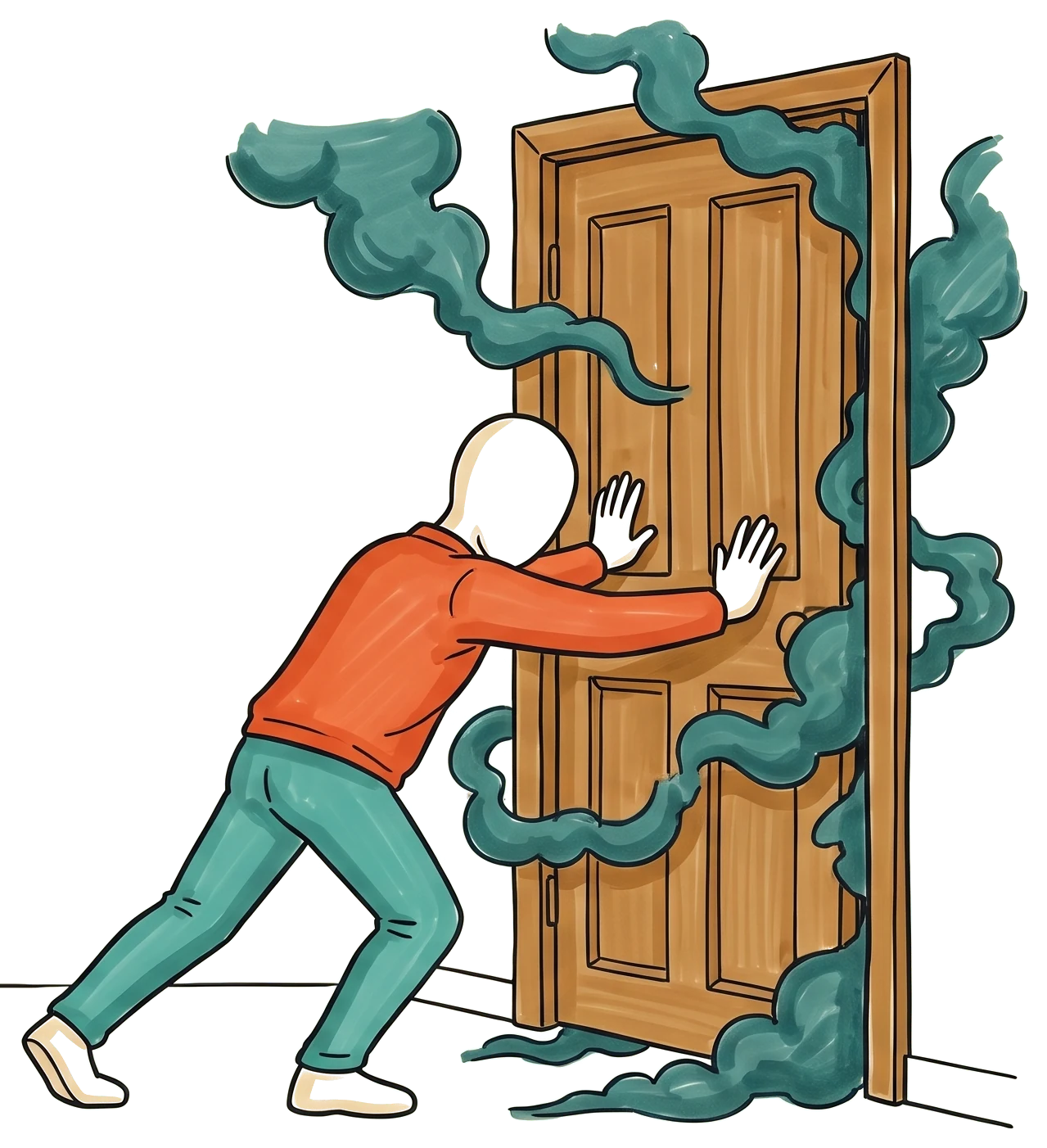
Denial & Numbing
Call it sci-fi. Look away. Tell yourself smarter people have it handled and go back to business as usual.
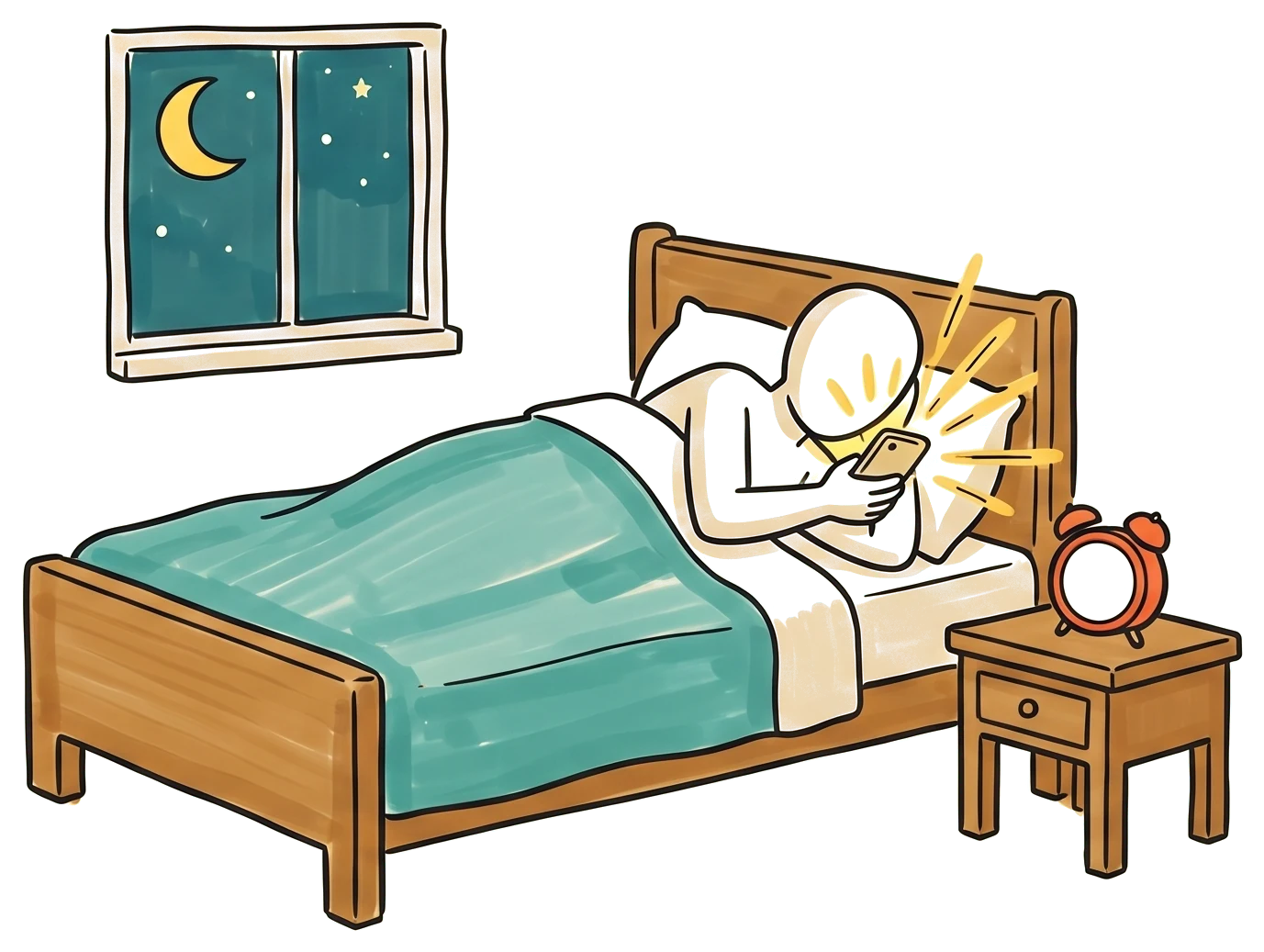
Doomscrolling & Burnout
Live in permanent alarm. Lose sleep, argue online, and treat every ordinary joy as irresponsible.
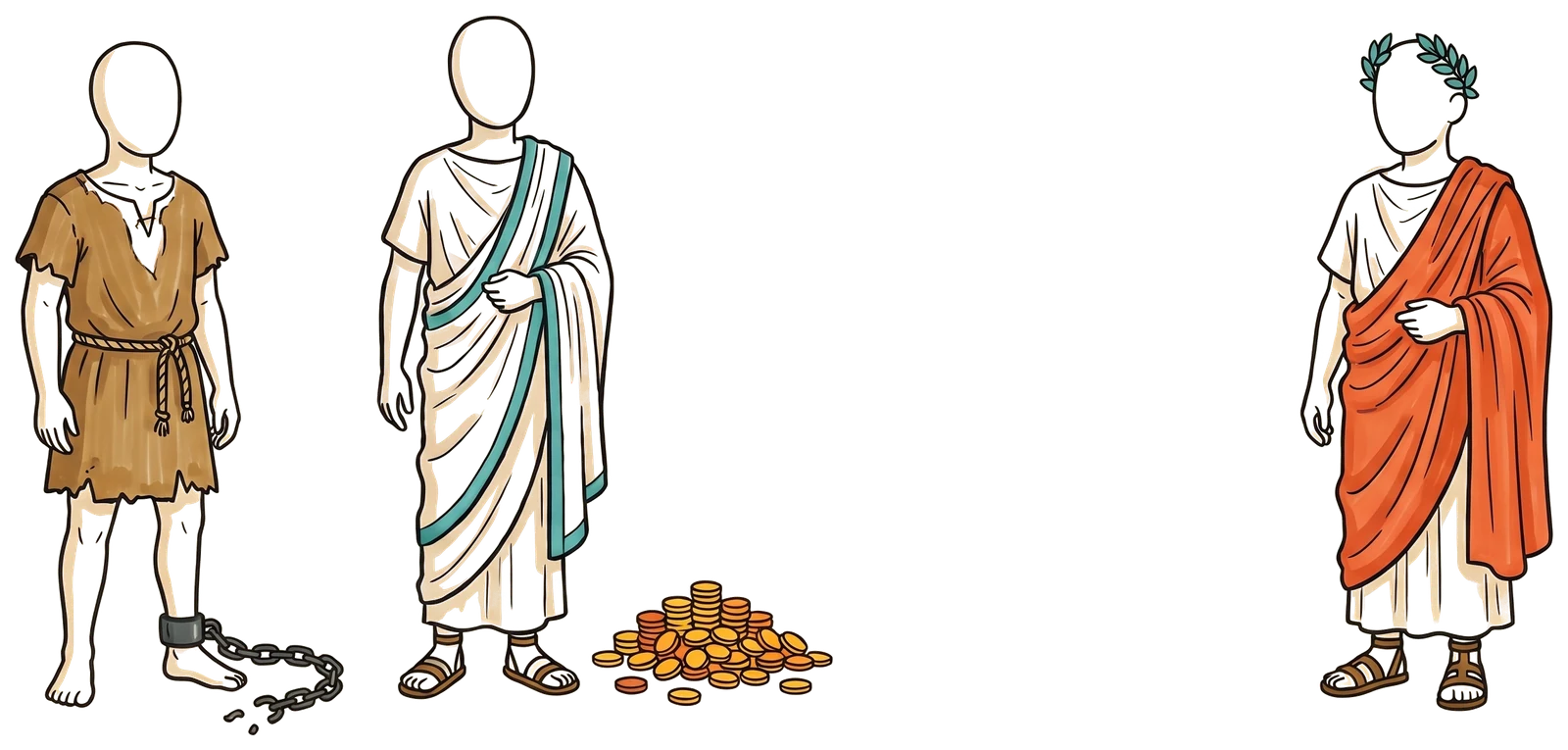
What is Stoicism?
A 2,300-year-old practical philosophy - born on a public porch in Athens, tested through exile, plague, and war.
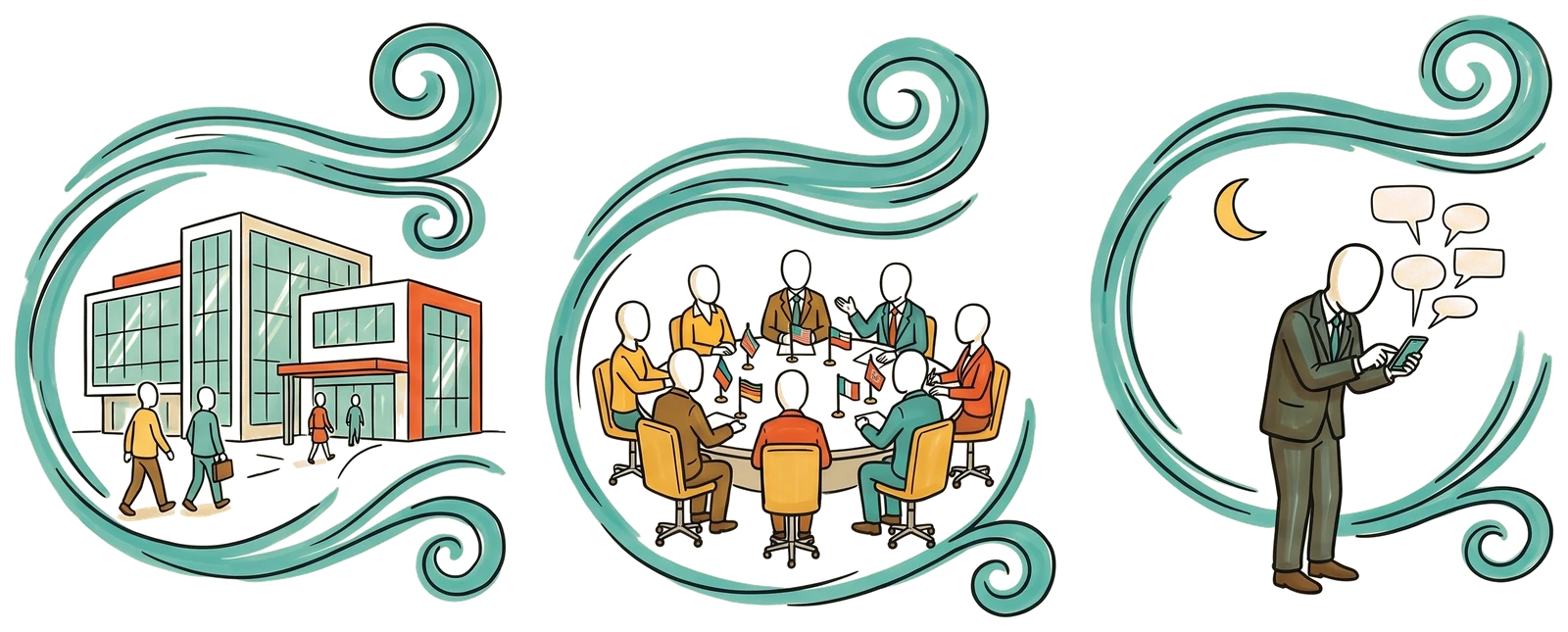
From Parliament to podcasts
Mark Carney, Pierre Poilievre, Arnold Schwarzenegger, and Tim Ferriss all draw on the Stoics - not monks in a cave, but people inside messy public life.
Four practical virtues
Wisdom, courage, justice, and moderation. Judge your day by your character, not your luck.
Clear action under pressure
Feel your emotions without being hijacked by them, so you can respond instead of react.

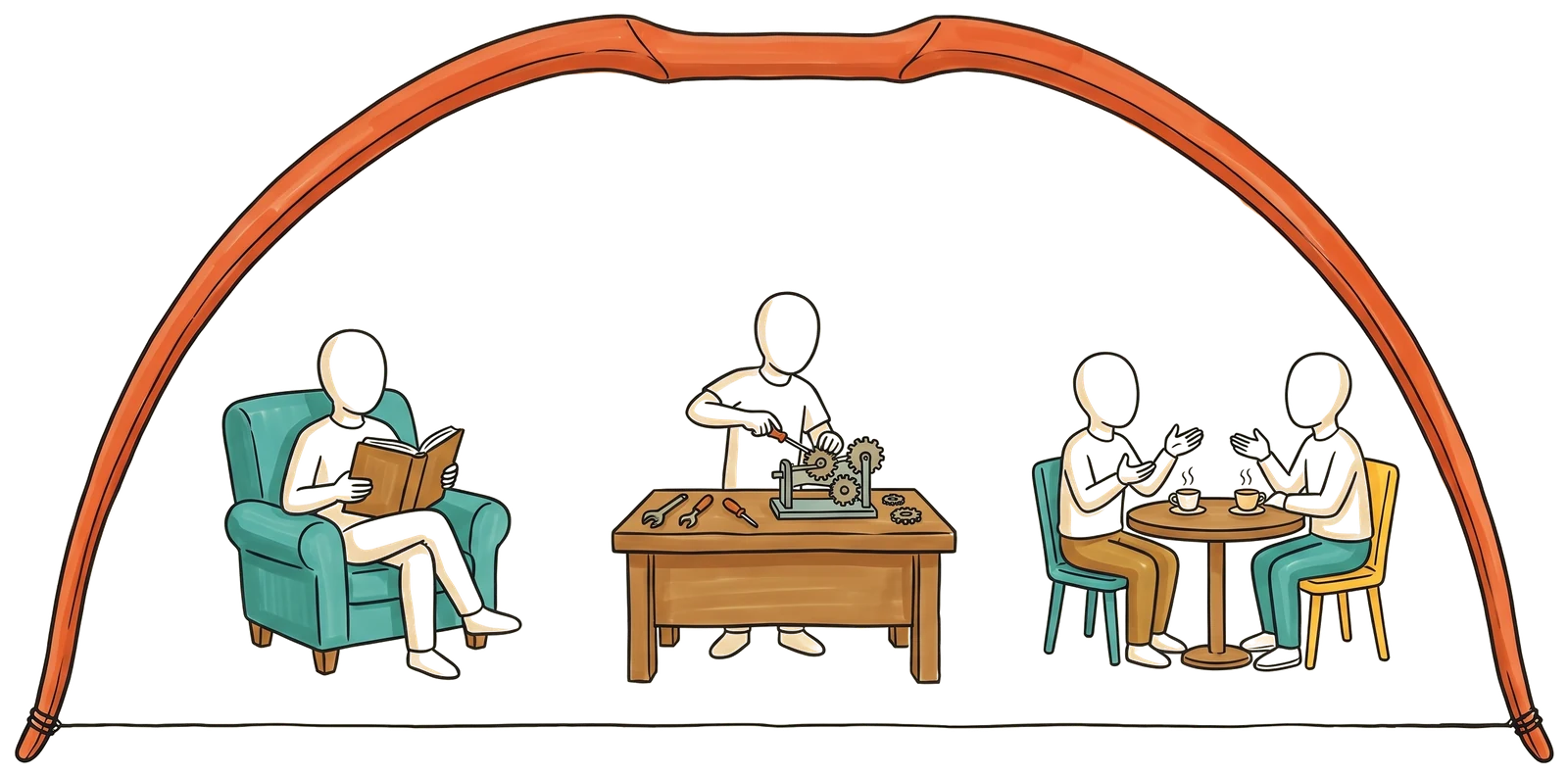
The Stoic Archer
The archer controls how well they train, aim, and release the arrow.
They do not control the gust of wind after it leaves the string.
Separate what is up to you from what isn't
Not up to you
- What a handful of frontier labs decide
- Whether governments pass a treaty in time
- Geopolitics and race dynamics
- Whether humanity passes the test
Up to you
- Your attention and mental clarity
- What you learn, build, and refuse to build
- How honestly you talk to friends and colleagues
- Where you spend your time and energy
Look straight at the worst case - without flinching
Stoics rehearsed worst-case scenarios on purpose. Not to wallow in dread, but to take away the element of shock.

Name the risk plainly
Refusing to look away is honesty, not "doomerism."
Drain the panic
Once you've faced the scenario, it stops hijacking your nervous system.
Keep a steady hand
Clear eyes let you do the unglamorous work that actually reduces risk.
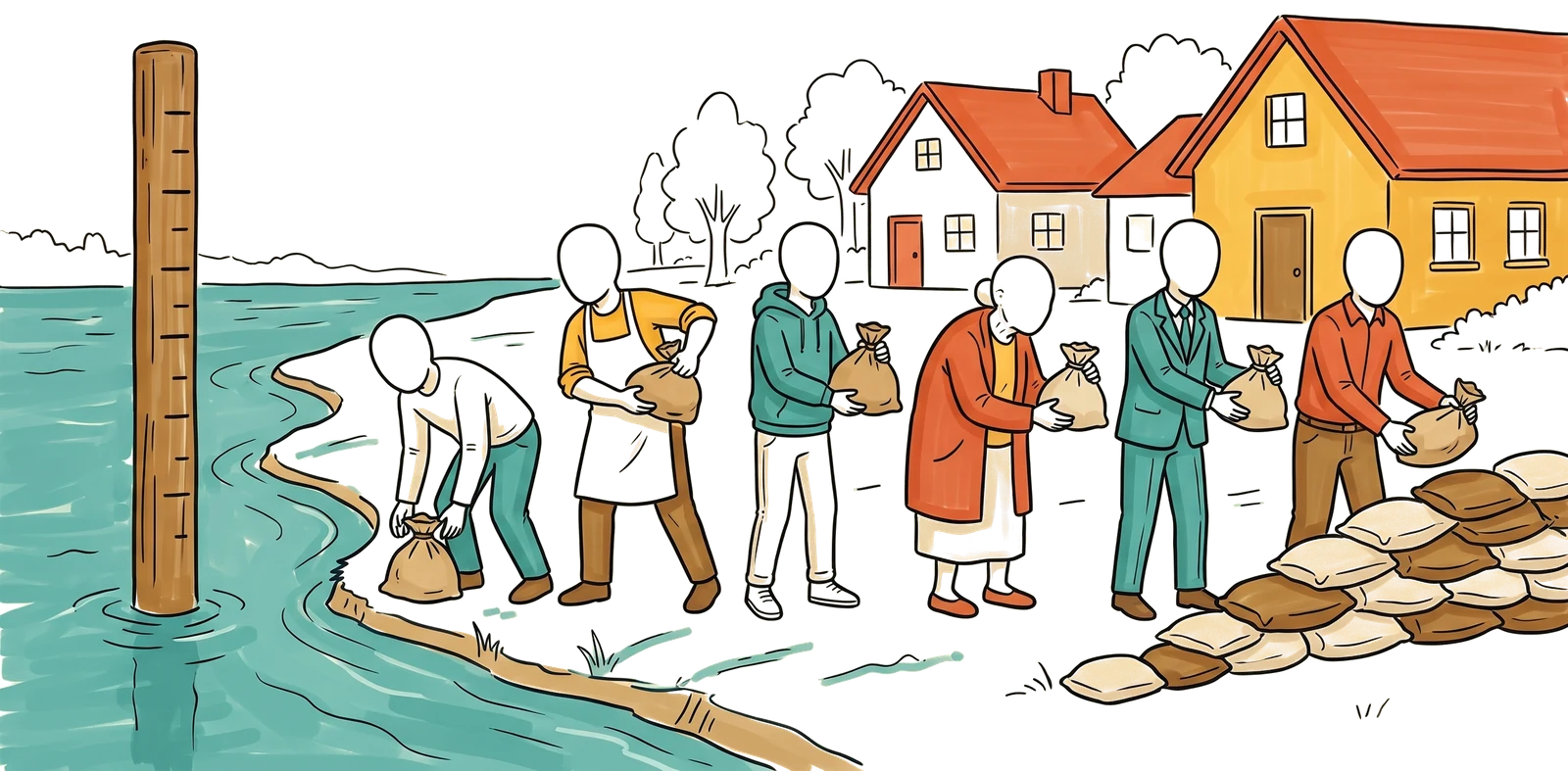
"We were made for cooperation, like feet, like hands, like eyelids."
He could not end the plague or the wars. He still showed up every morning to do his part. You do not need a guaranteed win to justify showing up.
Pick one to try this week

Control & The Archer
- Mute live AI outrage feeds and switch to one calm weekly digest
- Pick one action in your reach this month: raise a safety question at work, email your MP, or learn how one AI system works
- At week's end, ask "Did I put in honest effort?" instead of "Did the news get better?"
Rehearsing the Worst Case
- Set one 30-minute weekly slot for hard AI-risk reading - and close the tab outside it
- Replace "AI might destroy us" with one specific question to research (e.g. "Who is liable when an agent fails?")
- Practice a calm two-sentence answer for when a skeptical friend asks why you care
Duty Without Guarantees
- Keep showing up to rooms like this - find two people you can talk to honestly
- Offer a skill you already have: writing, organizing, law, policy, teaching, or operations
- Protect your ordinary Tuesdays - keep your friendships, hobbies, and rest intact
Do not forfeit the thing you are trying to protect.
Taking AI risk seriously does not mean giving up friendship, curiosity, humour, or a normal Tuesday.

Questions & Conversation
Which trap do you catch yourself slipping into more often - looking away, or burning out?
have-a-look.at/aistoic